Chinese medicine understands human beings as having no separation between body, mind, and spirit. They are perceived as a whole, and empowered by the energy of life force, Qi (pronounced “chee”). Qi circulates in the body through pathways, channels, or meridians, each of which has an internal branch to the organs, and connects to external points or locations on the surface of the body.
There are two aspects to keeping Qi balanced—keeping it full and keeping it moving smoothly. Qi is kept full by nurturing. Nurturing is accomplished by the “Yin” aspect while the “Yang” aspect is responsible for the movement, transformation part of Qi. Yin deficient symptoms in general include lack of inner calm, night sweats, disturbed sleep and agitation.
Acupuncture helps to restore patients’ inner calm and control. The lungs, liver, and kidneys are considered Yin organs. They are also major organs involved in the elimination of toxins from the body and are very susceptible to damage by drugs of abuse and trauma.
Persons with trauma and chemical dependency are often the least nourished segment of society, physically as well as spiritually. Western culture in general is external and aggressive—very Yang oriented. Add to this stimulants, competition, caffeine, tension, violence, abuse, etc.—Yin is consumed without introspection, nurturing and spiritual/life values. The mind, body and spirit are depleted by this way of life and Qi is out of balance.
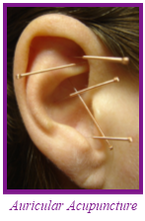
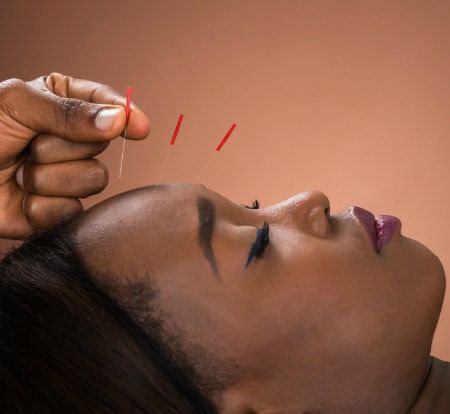
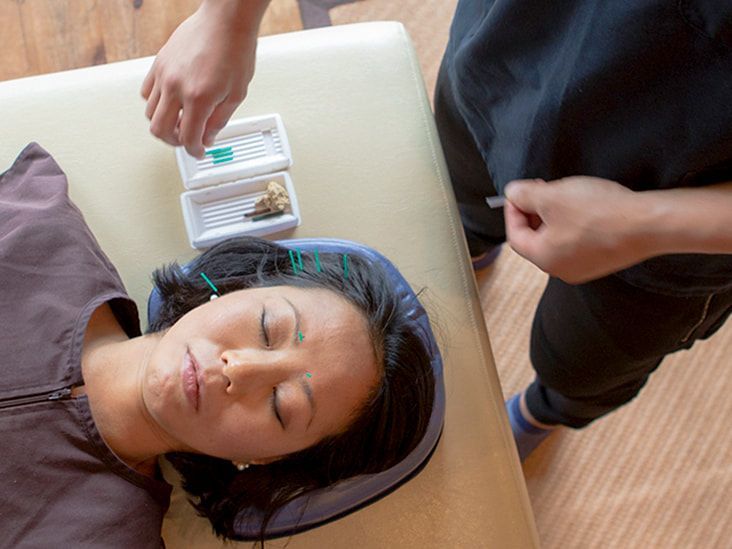
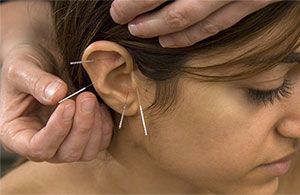
Sterile acupuncture needles are placed in points corresponding to the Yin organs and open up the flow of Qi allowing the nurturing of these organs, thus reestablishing a balance.